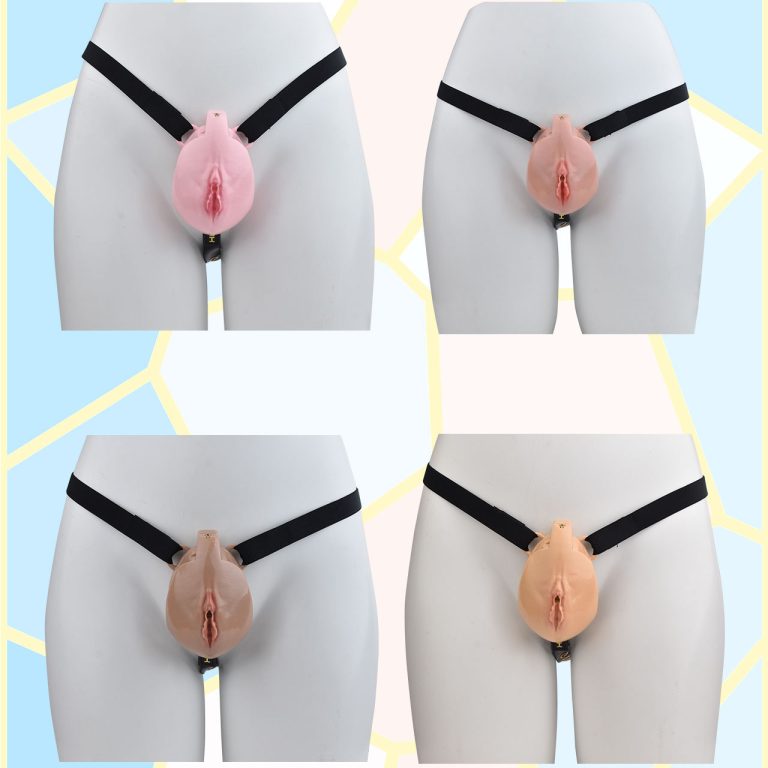
Chastity Cage Beginner to Advanced
SSMTOYS Editorial Team
Publication Date: January 27, 2026
A chastity cage (also known as a chastity device) has become increasingly popular in recent years within sexual health and intimate relationship exploration as a common tool in BDSM practices. It is a device designed to restrict access to the genitals—most commonly for males, where a cage-like structure encloses the penis, though variants exist for females or non-binary individuals. Through physical restriction, a chastity cage creates experiences of power exchange, delayed gratification, and accumulated sexual tension, thereby enhancing trust, communication, and intimacy between partners.The concept of the chastity cage is not a modern invention. Its history can be traced to medieval legends of “chastity belts,” but contemporary research indicates that those iron devices were largely 19th-century exaggerations or myths rather than widely used tools. True modern chastity cages emerged from the late 20th-century BDSM community. With advancements in materials technology, they evolved from cumbersome metal devices into lightweight, safe products made of silicone, plastic, and refined stainless steel. Today, chastity cages have become an important means for many people to explore self-control and dominance/submission dynamics. Their popularity arises from several factors: they allow users to experience the tension of “orgasm denial,” amplifying desire; in couple relationships, they reinforce trust and communication, establishing a unique power dynamic between the keyholder and the wearer.However, any form of BDSM practice must be grounded in the core principles of Safe, Sane, Consensual (SSC), and many communities also advocate Risk-Aware Consensual Kink (RACK), emphasizing that participants fully understand potential risks and engage willingly. This article offers comprehensive guidance from beginner to advanced levels for newcomers, couples, solo explorers, and experienced players. Drawing from over 12 years of experience as an AASECT-certified sex educator who has guided thousands of individuals in safe and healthy exploration, this guide aims to dispel misconceptions, provide practical advice, and help readers begin their journey with confidence and positivity. Whether you are a curious beginner or seeking to deepen your experience, this resource covers essential topics such as safe chastity cage wearing techniques, psychological preparation for chastity play, precautions for long-term chastity cage wear, and risk prevention.
History and Cultural Context of Chastity Cages
The history of chastity cages is rich with both myth and reality. Medieval legends frequently describe chastity belts as iron devices used by knights to secure their wives during long absences, but historians have determined that most surviving examples were 19th-century curiosities or fabrications rather than practical historical tools.The modern chastity cage emerged alongside the development of BDSM subculture. In the 1970s and 1980s, landmark books such as The New Topping Book and The New Bottoming Book helped communities prioritize consent and safety, transforming chastity devices from secretive props into openly discussed tools. From the 1990s onward, online platforms (such as Alt.com and FetLife) accelerated their mainstream acceptance within kink circles, while material innovations expanded options from metal to silicone and plastic, with designs increasingly focused on ergonomics and comfort.In contemporary culture, chastity cages appear in literature, film, and online communities. Works like the Fifty Shades series, though controversial, introduced power-exchange concepts to broader audiences. Dedicated forums and Reddit communities (such as r/chastity) share real experiences, contributing to destigmatization. Today, chastity cages are no longer viewed as punitive tools but as vehicles for healthy, consensual exploration. They help individuals challenge societal norms around sexuality, emphasizing desire management and trust-building.A common misconception is that chastity cages are instruments of unilateral control or abuse. In reality, in healthy practice, they are voluntary choices made by both parties (or by the individual in solo play) with the option to stop at any time. Communities stress that they can enhance intimacy by shifting focus toward non-genital affection and emotional connection. Through education and open communication, chastity cages have moved from myth to a respected part of the sex-positive movement.
What Is a Chastity Cage? Types, Details, and Purchasing Guide
A chastity cage consists of a base ring (encircling the penis root and testicles), a cage body (enclosing the penis), and a locking mechanism. Its primary function is to prevent full erection or direct stimulation, creating an experience of delayed gratification.Common TypesChastity cages vary widely by material, design, and features:
- Metal (stainless steel or titanium): Durable, hygienic, and weighty—ideal for those seeking a strong sense of restraint.
- Silicone: Soft, skin-friendly, and flexible—best for beginners or long-term wear.
- Plastic/resin (PC or ABS): Lightweight, affordable, and often transparent—popular entry-level options.
- Open vs. closed design: Open styles have ventilation holes for easier hygiene and urination; closed styles offer maximum restriction.
- Spiked vs. non-spiked: Spiked interiors add sensation (advanced users only).
- Locked vs. unlocked/App-controlled: Traditional padlocks, numbered plastic seals, or Bluetooth-enabled remote control.
Material Safety ComparisonMaterial choice directly affects safety and comfort. Below is a comparison table:
Material | Advantages | Disadvantages | Best For |
|---|---|---|---|
Medical-grade stainless steel | Extremely durable, easy to clean, antibacterial | Heavy, temperature-conductive | Advanced/long-term users |
Body-safe silicone | Soft, hypoallergenic, comfortable | Collects lint, requires frequent cleaning | Beginners, sensitive skin |
Polycarbonate plastic | Lightweight, inexpensive, transparent | Less durable, can crack | Short-term trials, budget users |
Titanium | Lightweight, hypoallergenic | Expensive | Allergy-prone, long-term wear |
Custom resin/3D-printed | Highly customizable, aesthetic options | Quality varies by manufacturer | Personalized fit/aesthetics |
App-controlled | Remote interaction, fun features | Battery-dependent, potential tech issues | Long-distance couples |
Always prioritize certified body-safe materials and avoid unverified cheap sources.
Precise Measurement TechniquesAccurate sizing prevents discomfort or injury:
- Base ring: Measure circumference behind the testicles in a flaccid state; subtract 5–10 mm for snug fit.
- Cage length: Measure flaccid penis length; subtract 10–20 mm to prevent full erection.
- Gap: Leave 3–6 mm between ring and cage to avoid pinching.
- Measure multiple times, accounting for natural fluctuations (e.g., morning erections).
- Budget: Beginner devices $30–80 USD; premium $150+.
- Verify authenticity through certifications and reviews.
- Beginners should start with open-design silicone or plastic for easy adjustment.
Psychological Preparation: Mindset, Communication, and Boundary Setting
Psychological readiness is the foundation of successful chastity play—many beginners struggle because they overlook this step.Common Beginner Psychological Hurdles and Coping Strategies
- Shame or guilt: Societal stigma can trigger internal conflict. Counter it by reading sex-positive resources and affirming that consensual exploration is healthy.
- Anxiety about loss of control: Fear of vulnerability. Start small and remind yourself that you can unlock at any time.
- Performance pressure or mismatched expectations: Fantasy vs. reality gaps. Manage by setting modest goals and journaling feelings.
- Choose a calm, private moment to initiate discussion.
- Use “I” statements to express desires.
- Establish safewords (green/yellow/red system).
- Agree on duration, check-ins, and aftercare.
- Schedule regular emotional debriefs.
- Clarify personal motivation (self-discipline, pleasure, curiosity).
- Adopt a gradual mindset and keep a feelings journal.
- Practice self-aftercare (gentle unlocking, reflection, self-soothing).
- A 30-year-old male beginner experienced initial anxiety after two hours; open communication with his partner turned it into a positive bonding experience.
- A 35-year-old couple used keyholder dynamics to rebuild trust after a rough patch.
- A non-binary solo player used journaling to process emotions and discover new self-awareness.
- An advanced user incorporated long-term wear into daily life, reporting stronger emotional connection.
- A middle-aged male ignored communication, leading to temporary resentment—lesson learned: prioritize ongoing dialogue.
- A female-dominant couple found chastity deepened emotional vulnerability and closeness.
Safe Wearing Techniques: Complete Beginner Step-by-Step Guide
PreparationGather water-based lube, mild soap, towel, and emergency key.Step-by-Step Wearing Guide (12 Steps)
Week 2: Full days
Week 3+: Overnight to multi-dayCreative Combinations with Other ElementsPair with remote toys, roleplay, or teasing tasks—always with enthusiastic consent.Long-Term Physiological and Psychological ManagementWeekly skin inspections; seal emergency key in dated envelope.Common Advanced Challenges and SolutionsSwelling: Cold compress and temporary removal
Boredom: Introduce creative keyholder tasksRecommended Maintenance Tools and AccessoriesEssential Cleaning ToolsSoft nylon brush, 70% isopropyl alcohol, antibacterial toy cleaner.Lubricant ChoicesWater-based for daily use; silicone-based for extended wear (verify compatibility).Storage and Spare PartsLock-cutting safety shears, numbered plastic seals, discreet carrying case.Upgrade AccessoriesInterchangeable ring sizes, padded liners, custom engravings.Personalized Advice for Different GroupsPrimary Focus for Male UsersMonitor testicle positioning to prevent twisting or pinching.Adaptations for Female and Non-Binary UsersFlat or belt-style designs; focus on comfort and psychological dynamics.Couples vs. Solo Play DifferencesCouples emphasize ongoing dialogue; solo players prioritize self-care rituals.Age and Health ConsiderationsMiddle-aged users monitor circulation more closely; consult physicians if underlying conditions exist.Scientific and Health FoundationsThe World Health Organization defines sexual health as encompassing pleasure, safety, and consent. AASECT endorses consensual adult kink practices when risk-aware. Studies in the Journal of Sexual Medicine suggest structured BDSM can enhance relationship satisfaction and personal well-being when practiced responsibly. This article provides educational information only—no medical claims are made.
- Thoroughly clean body and device.
- Apply generous water-based lubricant to ring and skin.
- Gently pass one testicle through the base ring.
- Pass the second testicle.
- Guide flaccid penis through ring.
- Align cage over penis.
- Connect cage to ring pins.
- Ensure proper gap (no pinching).
- Lightly lock (avoid forcing).
- Stand and move to test comfort.
- Check circulation (skin color, temperature).
- Test urination and make final adjustments.
Week 2: Full days
Week 3+: Overnight to multi-dayCreative Combinations with Other ElementsPair with remote toys, roleplay, or teasing tasks—always with enthusiastic consent.Long-Term Physiological and Psychological ManagementWeekly skin inspections; seal emergency key in dated envelope.Common Advanced Challenges and SolutionsSwelling: Cold compress and temporary removal
Boredom: Introduce creative keyholder tasksRecommended Maintenance Tools and AccessoriesEssential Cleaning ToolsSoft nylon brush, 70% isopropyl alcohol, antibacterial toy cleaner.Lubricant ChoicesWater-based for daily use; silicone-based for extended wear (verify compatibility).Storage and Spare PartsLock-cutting safety shears, numbered plastic seals, discreet carrying case.Upgrade AccessoriesInterchangeable ring sizes, padded liners, custom engravings.Personalized Advice for Different GroupsPrimary Focus for Male UsersMonitor testicle positioning to prevent twisting or pinching.Adaptations for Female and Non-Binary UsersFlat or belt-style designs; focus on comfort and psychological dynamics.Couples vs. Solo Play DifferencesCouples emphasize ongoing dialogue; solo players prioritize self-care rituals.Age and Health ConsiderationsMiddle-aged users monitor circulation more closely; consult physicians if underlying conditions exist.Scientific and Health FoundationsThe World Health Organization defines sexual health as encompassing pleasure, safety, and consent. AASECT endorses consensual adult kink practices when risk-aware. Studies in the Journal of Sexual Medicine suggest structured BDSM can enhance relationship satisfaction and personal well-being when practiced responsibly. This article provides educational information only—no medical claims are made.
Frequently Asked Questions (FAQ)
- Will a chastity cage cause permanent damage? No, when used correctly with proper fit and hygiene.
- How do I urinate while wearing one? Sit down with open designs.
- Is erection pain normal? Mild discomfort is common; sharp or persistent pain requires immediate removal.
- How often should I clean? Daily minimum.
- What if I need emergency removal? Keep backup key or safety shears accessible.
- Are there female-specific devices? Yes—flat or belt-style options exist.
- What if I feel psychologically distressed? Unlock immediately and talk it through.
- Does long-term wear affect fertility? No evidence suggests it does.
- Are app-controlled devices secure? Choose reputable brands with strong encryption.
- Recommended starting duration for beginners? 1–4 hours.
- What if I develop skin irritation? Switch materials and consult a doctor if needed.
- How do I introduce this to a partner? Honest, non-pressured conversation.
- Is nighttime wear risky? Monitor circulation closely.
- Can I combine with other toys? Yes—gradually and safely.
- When should I seek medical help? Persistent pain, swelling, discoloration, or signs of infection.
Risks, Precautions, and Red Flags
Physiological risks: Impaired circulation (numbness), infection, skin abrasion. Prevention: correct sizing, rigorous hygiene, regular checks.Psychological risks: Temporary anxiety or relationship strain. Mitigation: robust aftercare and open communication.Red flags requiring immediate action: Persistent pain, purple discoloration, swelling, fever, or severe emotional distress—remove device and seek professional help if needed.
The heart of chastity play lies in safety, enthusiastic consent, and mutual (or self) enjoyment. Through this comprehensive guide, we hope you feel empowered to explore with confidence and care. Always remember: you control the pace, communication is essential, and pleasure should never come at the cost of well-being.We invite you to explore our site’s additional educational resources on BDSM and sexual wellness, subscribe to our newsletter for ongoing tips, or join our community discussions.
Disclaimer: This article is for educational purposes only and does not constitute medical or psychological advice. Consult qualified professionals for personal health concerns.
-
 -70% OFF
TS pink fake penis wearable chastity pants (with catheter)
USD $159.00Original price was: USD $159.00.USD $48.00Current price is: USD $48.00.-70% OFF This product has multiple variants. The options may be chosen on the product page -
TS imitates women’s genitals wearable chastity pants
USD $98.00 This product has multiple variants. The options may be chosen on the product page -
Men’s invisible lock style chastity pants
USD $180.00 This product has multiple variants. The options may be chosen on the product page -
Women’s invisible lock style chastity pants
USD $125.00 USD $150.00 This product has multiple variants. The options may be chosen on the product page