For women preferring to avoid hormones due to side effects or personal reasons, non-hormonal options focus on barriers, spermicides, or natural timing.
Barrier and Chemical Methods
These are used per intercourse, offering on-demand protection.
- Male Condoms: Latex or polyurethane sheaths worn by partners. Typical effectiveness: 82-87%. Pros: STI protection (including HIV), over-the-counter availability, no systemic effects. For couples considering condom use for dual protection against pregnancy and infections, it’s invaluable. Cons: Potential allergies, reduced sensation, and breakage risks.
- Female Condoms: Inserted into the vagina. Effectiveness: 79% typically. Benefits: Woman-controlled, STI prevention. Drawbacks: Noise during use, higher cost.
- Diaphragm or Cervical Cap with Spermicide: Fitted barriers blocking the cervix. Effectiveness: 83-88% with spermicide. Pros: Reusable, non-hormonal. Suitable for women seeking barrier methods for occasional intercourse. Cons: Requires fitting, insertion skill, and UTI risks.
- Spermicides Alone: Chemicals (e.g., nonoxynol-9) in foams/gels. Effectiveness: 72% typically. Advantages: Easy access. Drawbacks: Irritation, no STI protection.
Copper Intrauterine Device (IUD)
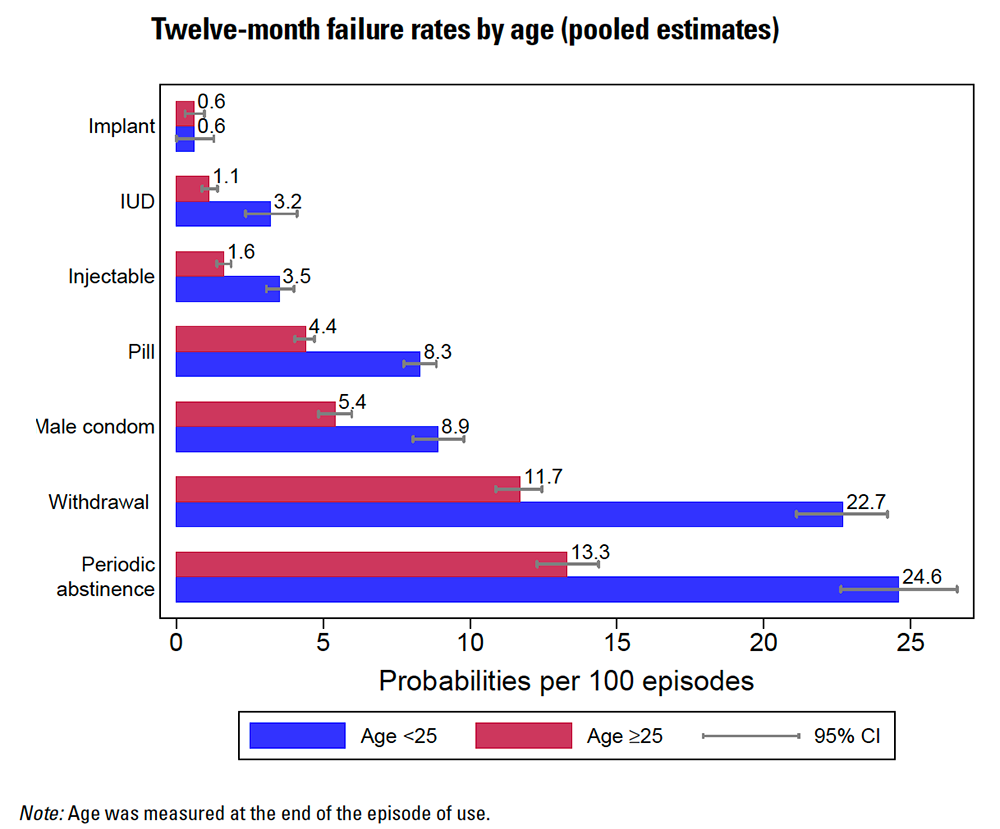
A non-hormonal LARC, the copper IUD lasts up to 10-12 years, with over 99% effectiveness. It creates a spermicidal environment. Pros: Long-term, hormone-free, emergency contraception option. Great for women researching copper IUD for non-hormonal long-term birth control. Cons: Heavier periods, cramps, insertion pain.
From clinical experience, approximately 15-25% of copper IUD users report increased menstrual flow in the initial cycles, but this can be managed with over-the-counter pain relief.